Vintage Dust Texture Overlay: Adding Soul to Digital Design
There’s a certain quality to designs that feel lived-in, like they have a history. In a world of clean vectors and flawless renders, a touch of age, grit, and imperfection can create a powerful emotional connection. This is the exact space where a Vintage Dust Texture Overlay operates. It’s not a font, but a critical design asset in the same category as a premium typeface—it provides character, mood, and a tangible sense of atmosphere that can transform a flat digital canvas into something with depth and narrative.
The Anatomy of Authentic Grit
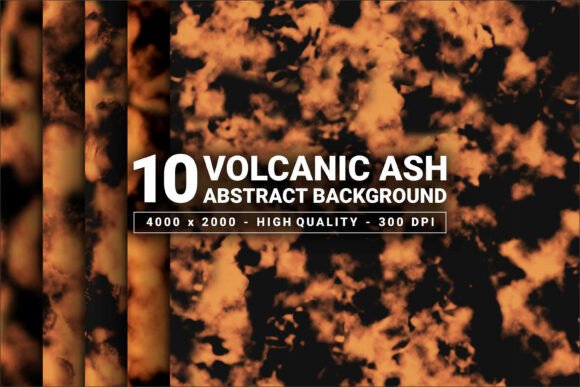
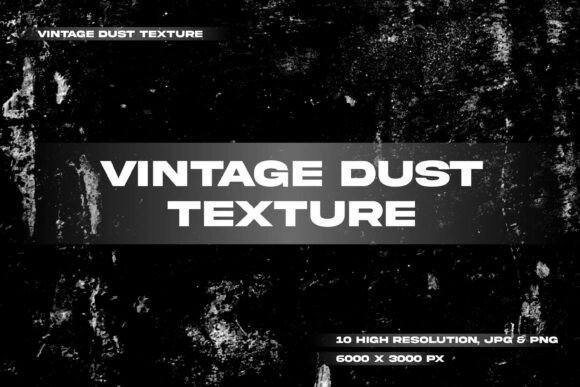
So, what exactly defines a high-quality vintage dust texture? It’s more than just a sprinkle of digital noise. A truly effective overlay, like the Vintage Dust Texture Overlay – Dark Grunge Pack, is an organic composition. Think of the subtle, uneven distribution of dust particles caught in a shaft of light, the random scratches that tell a story of handling, and the deep, velvety stains that add a layer of mystery. These elements are carefully captured and curated to sit on a deep black background, which provides maximum contrast and flexibility. The result is a texture with a strong cinematic and moody personality—perfect for adding dramatic depth without overwhelming the core message of your design.
Where This Texture Truly Shines
The applications for a robust vintage dust texture are surprisingly broad, crossing over from personal projects to serious commercial work. Its value lies in its ability to set a tone instantly.
- Branding & Identity: For a brand aiming for a rugged, authentic, or artisanal feel, applying a subtle dust texture to logo presentations, packaging mockups, or business card backgrounds can reinforce that identity. It suggests craftsmanship and a hands-on approach.
- Editorial & Publishing: Magazine layouts, book covers, and album art often rely on texture to evoke a specific era or mood. A vintage dust overlay can make a modern photograph feel like a timeless film still, adding editorial weight and visual interest.
- Digital & Social Media: In the fast-scrolling world of social media, a textured background on a quote graphic, podcast cover, or YouTube thumbnail stops the eye. It creates a unique, recognizable style that can become part of your visual brand language.
- Photography & Motion: For photographers and motion artists, these overlays are tools for storytelling. Blending one over a portrait or a landscape can enhance the narrative, adding a layer of melancholy, nostalgia, or raw energy.
The key is that the Vintage Dust Texture Overlay isn’t meant to be the star; it’s the supporting actor that elevates the lead. It works best when it enhances, rather than competes with, your primary content—be it a serif font in a headline, a product shot, or a piece of handwritten font for a personal touch.
Practical Application: Blending with Purpose
Simply slapping a texture on top of your work rarely yields professional results. The magic is in the blend. Because textures like this are provided on a dark background, they are designed for specific blending modes in software like Photoshop, Affinity Photo, or even advanced mobile apps.
- Screen Mode: This is often the go-to. It removes the black background and leaves only the lighter dust, scratches, and stains. It’s perfect for adding a delicate, worn layer over mid-tone to light images.
- Lighten Mode: Similar to Screen, but it can sometimes preserve slightly more of the texture's subtle mid-tones. Experiment to see which gives the more authentic result for your image.
- Overlay or Soft Light: These modes will affect the contrast of your underlying image, often making shadows deeper and highlights brighter while imparting the texture. This can create a more integrated, "printed" feel.
Always use a layer mask to paint the texture in selectively. You might want the dust concentrated in the corners, along edges, or only over certain background elements, leaving your subject or text clean and legible. This selective application is what separates a thoughtful design from a messy one.
Making the Right Choice for Your Project
When evaluating a pack like the Vintage Dust Texture Overlay – Dark Grunge Pack, consider more than just the preview. Look at the resolution—6000x3000 pixels is a generous size that allows for cropping and use in large-format print without losing detail. The variety within the ten included files matters too; you want a range from subtle, fine grain to more pronounced, dramatic stains to handle different project needs.
Think about your project's personality. Is it a moody poster design for a film? A gritty background for a music producer's social media graphics? Or a subtle aging effect for a heritage brand's packaging design? The texture should align with the story you're telling. It’s also worth considering how it will interact with your chosen typeface. A bold, modern sans serif font might stand up well to a heavier texture, while a delicate script font might require a much lighter, more diffuse application.
Ultimately, a Vintage Dust Texture Overlay is a versatile tool in the designer's toolkit, sitting right alongside a well-curated library of font pairings and other design assets. Used with intention, it doesn't just add age—it adds soul, helping to build a cohesive and compelling visual identity that resonates on a human level.