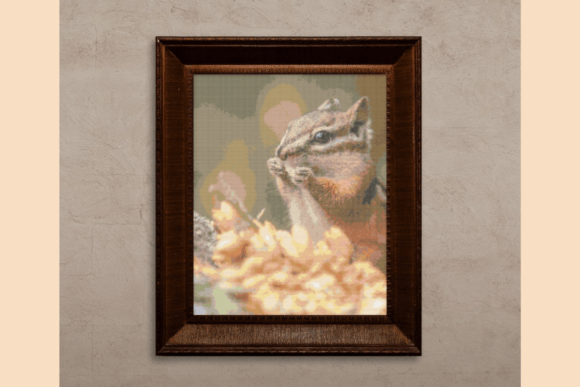
Squirrel Cross-Stitch Pattern: A Cozy Woodland Design
Capturing the quiet magic of an autumn forest doesn't always require complex software or digital brushstrokes. Sometimes, it starts with a needle, thread, and a beautifully crafted Squirrel Cross-Stitch Pattern. This particular design from Threadella Art offers a charming escape into woodland whimsy, making it an ideal project for crafters who appreciate detail and personality in their work. It's a design that balances playful character with a sophisticated color palette, making it a standout addition to any creative project.
Anatomy of a Woodland Charmer
At its heart, this pattern is a study in texture and personality. The central figure is a curious squirrel, its fluffy tail curled in a dynamic arc that suggests motion and alertness. The design avoids cartoonish exaggeration, instead focusing on realistic yet endearing details: the delicate texture of fur, the bright, inquisitive eyes, and the tiny, detailed paws. This approach gives the finished piece a sense of authenticity and warmth.
The color story is where the pattern truly shines. It employs a curated palette of warm earthy browns and soft rust tones, accented with subtle creams and deep greens from scattered autumn leaves and acorns. This isn't a garish, overly saturated kit; it's a muted, harmonious blend that feels natural and timeless. The careful shading created by these tones gives the squirrel dimension, making it appear soft and touchable. For any crafter, understanding this color theory is key—the palette ensures the finished piece will complement a wide range of home decor styles, from rustic farmhouse to modern minimalist.
Beyond the Hoop: Applications for Modern Creatives
While the primary purpose is a framed cross-stitch piece, the Squirrel Cross-Stitch Pattern holds surprising versatility for designers, marketers, and small business owners. Its nostalgic, handcrafted aesthetic taps directly into current trends that value authenticity and artisanal quality.
Consider its potential in brand identity for a boutique business. A simplified version of the squirrel motif could become a charming logo mark for an organic cafe, a children's bookstore, or a sustainable clothing brand. It instantly communicates warmth, nature, and care. In packaging design, a repeat pattern of the tiny acorns or leaves from the main design could create beautiful wrapping paper, tissue, or box liners that elevate the unboxing experience.
For editorial design and social media graphics, the pattern's visual language is gold. It can be used to create themed headers, section dividers, or background textures for blogs focused on gardening, slow living, or DIY crafts. The "stitched" effect itself can inspire a whole suite of design assets—think typography that mimics thread or borders that look like embroidery hoops. This is where a creative font with a hand-drawn or script font quality would pair beautifully, reinforcing the handmade feel.
Making It Work: Practical Considerations
Choosing a pattern like this is just the first step. To ensure it delivers maximum impact, a few practical evaluations are necessary.
Evaluating Project Fit: This pattern excels in projects where warmth, nostalgia, and a connection to nature are desired. It's less suited for ultra-modern, tech-focused, or corporate identities unless used ironically or as a subtle accent. Ask yourself: does my project's core message align with the cozy, woodland charm this design offers?
Readability and Scale: In a cross-stitch pattern, "readability" refers to how clearly the symbols on the chart are differentiated. A well-designed pattern, like this one, uses a clear legend and distinct symbols to prevent stitching errors. When adapting the motif for digital use, scale is critical. The fine details of the squirrel's face are lost if reduced too small. For web design or print, use the full illustration for hero images or large features, and use the isolated elements (like a single acorn or leaf) for icons or small accents.
Font Pairing for Digital Applications: If you're incorporating the squirrel motif into a broader graphic design project, font choice is paramount. The pattern's friendly, organic feel pairs best with typefaces that don't compete. A clean, readable sans serif font for body text provides a modern counterpoint, while a handwritten font or gentle serif font can be used for headlines to echo the pattern's personality. Avoid overly ornate display fonts that might clash with the illustration's intricate details.
Licensing and Usage: For crafters, the pattern is for personal use. However, if you're a designer or business owner looking to adapt the artwork for commercial products, it's essential to review the licensing terms from the creator, Threadella Art. Many independent designers offer separate commercial licenses. Respecting these terms is part of professional brand strategy and supports the artists who create these beautiful design assets.
Ultimately, the Squirrel Cross-Stitch Pattern is more than a set of instructions. It's a gateway to creating something tangible and joyful. Whether you're stitching it for your own wall or drawing inspiration from its aesthetic for a client project, it offers a timeless piece of woodland magic. It reminds us that the most engaging designs often come from a place of genuine affection for their subject—in this case, a nutty-cute thread at a time.