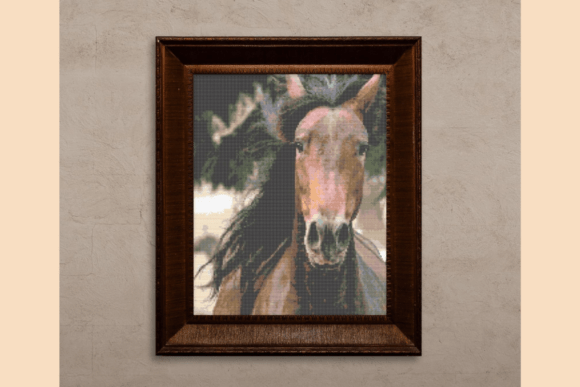
Stitch Your Story: The Horse Cross-Stitch Pattern
Capturing Motion and Spirit in Thread
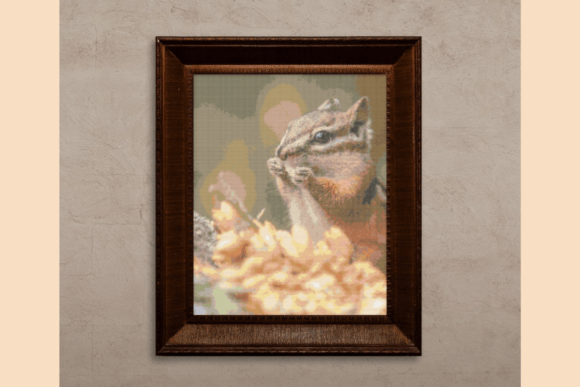
There's something deeply compelling about a design that feels both timeless and full of life. The Horse Cross-Stitch Pattern from Threadella Art is exactly that—a soul-stirring piece that gallops right off the canvas. This isn't just a collection of X's; it's a narrative stitched in earthy browns, soft ivories, and deep, dramatic shadows. The horse is captured mid-stride, its mane a wild dance in the wind, every muscle contour speaking of power and grace. For anyone who feels a connection to horses, nature, or the meditative joy of handcraft, this design offers a way to create something truly meaningful. It’s a visual poem of loyalty and untamed spirit, where every stitch becomes a heartbeat of wild beauty.
A Design That Moves Beyond Decoration
When we talk about a creative font or a powerful design asset, we often mean something with distinct personality. This cross-stitch pattern functions in a similar way. Its style is a blend of rustic charm and dynamic energy. The flowing lines aren't rigid; they suggest movement and life, making it far more than a static image. This display-oriented piece has the visual weight and character of a custom handwritten font or a bold script font, but translated into the tactile medium of needlework. It carries a free-spirited energy that can elevate a project from ordinary to emotionally resonant.
For designers and creators, understanding the personality of your assets is key. This pattern speaks a language of strength, freedom, and organic beauty. It’s the kind of visual element that can anchor a brand identity, especially for businesses in equestrian sports, outdoor adventure, wellness, or artisanal crafts. Its appeal lies in its ability to communicate core values without a single word—think resilience, natural elegance, and authentic passion.
Where This Pattern Finds Its Home
Thinking about application is where strategy meets artistry. The Horse Cross-Stitch Pattern isn't for every context, but where it fits, it shines brilliantly. Its best uses are in projects that value storytelling, texture, and a touch of heritage.
- Branding and Logo Design: For an equestrian club, a stable, a rustic-chic clothing line, or a nature retreat, this pattern could inspire a stunning logo design. Imagine the horse motif simplified into a monogram or used as a standalone emblem. It instantly builds a brand perception rooted in tradition and power.
- Editorial and Packaging Design: In editorial design, a stitched horse could grace the cover of a lifestyle magazine or a feature on mindful hobbies. For packaging design, think of artisanal goods—specialty teas, leather crafts, or natural soaps—where this pattern on the label communicates handcrafted quality and a connection to the earth.
- Digital and Social Media: As a background texture or a featured graphic in social media graphics, it adds depth and a human touch. It’s perfect for posts about craftsmanship, slow living, or motivational content centered on strength and freedom. The detail holds up well in web design for hero sections or about pages.
- Personal Projects and Merchandise: The most direct use is, of course, stitching it for personal enjoyment or as a heartfelt gift. But the design could also be licensed for use on merchandise like tote bags, notebooks, or apparel, turning a personal passion into a commercial product with a cohesive story.
The Strategic Influence on Your Audience
Choosing a design element like this isn't just aesthetic; it's strategic. The Horse Cross-Stitch Pattern influences how your audience perceives and engages with your work. Its intricate detail creates a natural visual hierarchy—the eye is drawn to its complexity and artistry first. This can guide a viewer's journey through a layout, whether on a webpage or a printed brochure.
From a readability standpoint, it’s best used as a supporting visual rather than a background behind dense text. Used as a header image, a sidebar accent, or a standalone graphic, it enhances the overall design without compromising clarity. Its presence can elevate professionalism by showing thoughtful curation and an investment in unique design assets. For a small business owner, using such a distinctive piece consistently across touchpoints builds recognition and reinforces the brand’s unique narrative.
Practical Guidance for Creative Integration
So, you’re inspired. How do you practically evaluate and integrate this pattern into your work? Here’s a straightforward approach.
- Evaluate Project Fit: Ask yourself: Does my project’s core message align with themes of freedom, nature, strength, or craftsmanship? If you're designing for a tech startup, it might not be the right fit. For a yoga studio focused on animal flow or a writer’s retreat, it could be perfect.
- Consider Font Pairings: This is where a font pairing strategy comes in. The pattern’s detailed, organic style pairs well with clean, simple sans serif fonts for modern contrast, or with elegant, traditional serif fonts for a more classic, cohesive feel. Avoid pairing it with other overly decorative or script fonts to prevent visual competition.
- Test for Readability and Scale: Always test the pattern at the size you intend to use it. In digital formats, ensure the stitched texture remains clear and doesn’t become a muddy blur on mobile screens. In print, the detail will hold beautifully, but consider the paper stock to complement the textured feel.
- Review Licensing and Styles: If you plan to use it for commercial projects, confirm the licensing terms. Understand what’s included—is it just the stitch chart, or are there digital files optimized for different applications? Some providers offer variations that might better suit your needs.
Think of this pattern as a premium font for your visual toolkit. You wouldn’t use a ornate display font for body copy, and similarly, you’d use this horse pattern for impact and emotion, not for every small detail. Its strength is in its ability to add a layer of authentic, human-made texture to our increasingly digital world. It’s a reminder of the slow, deliberate joy of creation—a story in every X, waiting for you to tell it.